It’s hard to be critical of the same group of people who we celebrated for being so selfless and compassionate during the Covid-19 crisis. The cognitive dissonance of the same people who are running into the room with gown, gloves and mask amidst a pandemic also having racist actions is hard to reconcile. In this dichotomously constructed world it is difficult to see the shades of grey. That is why it may be exceedingly difficult to think about overt racism of healthcare professionals towards patients and their families, and coworkers. Please, share you stories of racialization in healthcare in the comments section. I will share some examples from my life.
I will never forget my final practicum of nursing school. My placement was at the Calgary Young Offender Centre. My preceptor was a long-time prison nurse, retiring later that year. I remember one shift he started to tell me about his wife, who was also a nurse and how she worked with “those lazy Filipino nurses” in long-term care. At this point, I will tell you that my mom is Filipino and my dad was white. My mom was also an LPN, and worked in a long-term care facility in Calgary until she injured herself at work severely enough that she never returned to work. When my preceptor said those words, all I could think was, you are talking about my mom and my family (many of them also Filipino nurses around the world). But, I was too scared to say anything because at the time I knew this person held my pass or fail of this practicum in their hands. So, I told my course lead. I recall her saying she would address it somehow. I never heard back.
I experienced other incidents of overt racism in this practicum, indigenous youth being described in derogatory terms, youth of colour in gangs being talked about in much different terms than youth in white gangs like the Aryan Guard. I remember one day a youth came in for an intake. I began to do the assessment, and having to catch my breath when I read under “identifying marks” “large Swastika tattoo on upper thigh”, thinking only, I hope I look white enough today. Flash forward 12 years. Here I am, after experiencing a career as a racialized person in healthcare.
Here we are, having to explain that racism in healthcare happens at a wide scale and that it cannot be addressed if we keep promoting this philosophy of colour-blindness. We continue to have debates about whether it is ethical to collect info about patient ethnicity and race. Knowing what we know today, how is it ethical not to? Growing up (and often today) there is no box for me to check on many questionnaires that ask about race or ethnicity. This meant something to me. I did not fit. It would have been nice to have a box that represented me instead of “other” or “choose not to answer” because I wanted to answer. I wanted to answer the question as accurately is possible because I knew it was informing someone, at the very least the person who designed the questionnaire. We cannot see what we choose to ignore. Pretending a problem doesn’t exist because we chose not to collect the evidence is not social justice. Remaining silent is enabling the problem.
Peace,
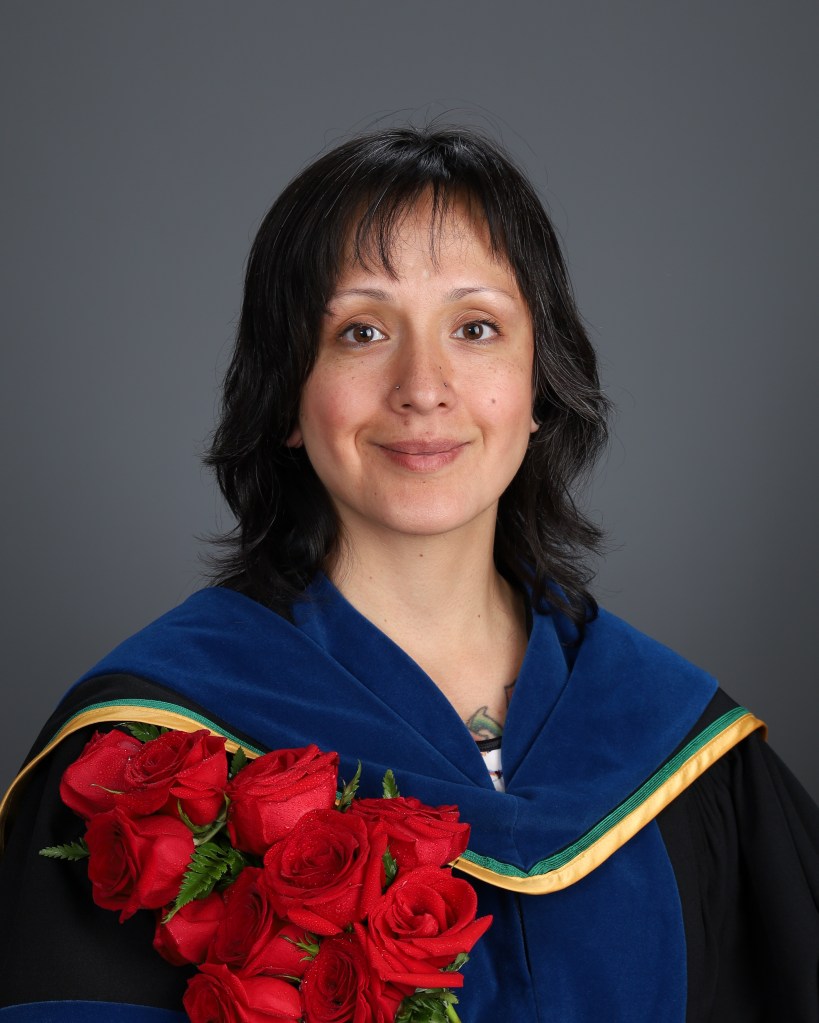
Michelle D.
 nursingforsocialjustice
Leave a comment