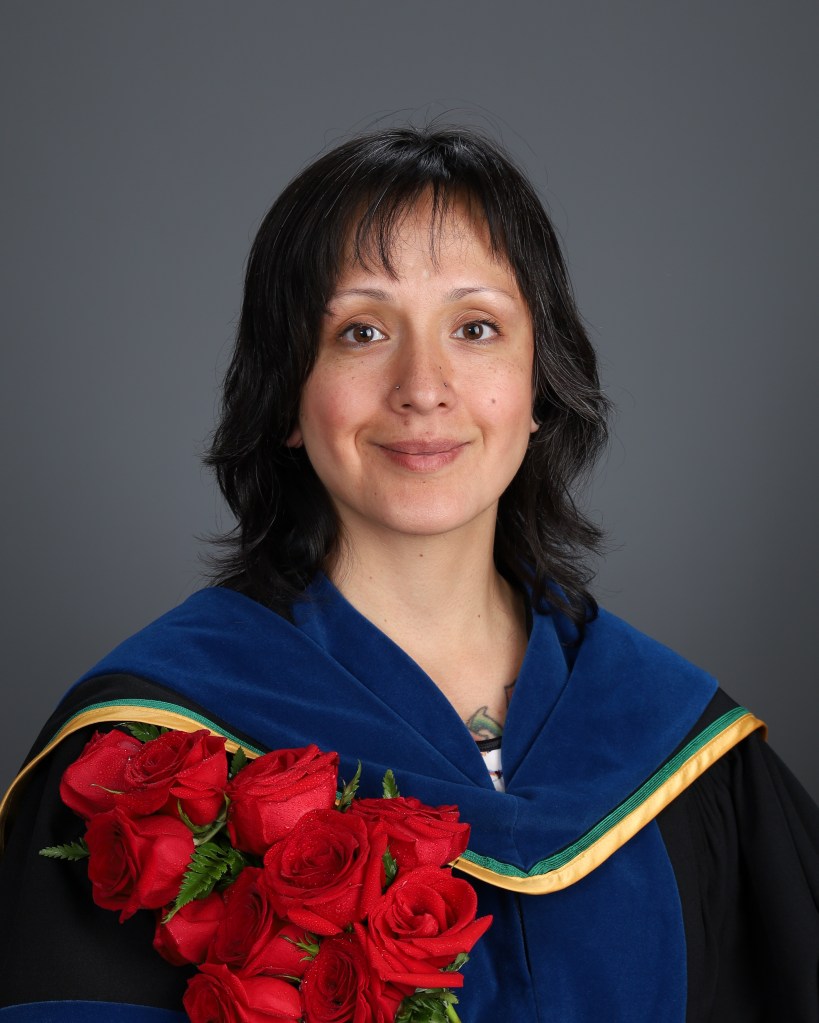
It’s strange and heartbreaking sometimes, the talk that I am privy to when people don’t realize that my ethnicity is Filipino and Czech. People don’t know that my parents were immigrants. People don’t know that my father was a refugee. When you read the word refugee an image may have popped into your head. I will clarify by revealing that my dad was white (he is dead now and you can read more about that by clicking here). My mom is Filipino. I’m not a youngster. My parents were born in the World War II era. My father hated communism. My mother views white people as the great white Hope.
I grew up in Southern Ontario and Southern Alberta in the 80s and 90s respectively. When we lived in Ontario I was surrounded by mostly white people and when with family Filipino people. When we moved to Southern Alberta we had no family there. The NW part of the city they we lived in was pretty homogenous back then; people were mostly visibly white.
I grew up with mostly white friends. I worked with mostly white people. I look racially ambiguous to some people. Throughout my life people have been fairly open in asking me where my parents are from. People have been fairly open in telling me what they guessed as my ethnicity, from Italian to Indigenous, to Indian. I assume it is the times when people think I look more European when they are more open to making comments that have racist sentiment. The discomfort that this used to cause is more disappointment and anger today. This is accompanied by self-reflection on what I do with these emotions and my responsibility to speak out, to interject, to let people know when they are being racist. Is it my responsibility?
As an aside. I stumbled across reflective journals I wrote in my final nursing practicum in 2008. A disclaimer that these are my thoughts when I was a 25 year old nursing student from the context of having a sociology degree and psychology degree, work experience as a youth worker and living my middle-class life in Calgary, AB with the attitude of a young punk wanting to do more as an advocate and activist. I have copy pasted it here:
I have found that I have been given the opportunity to participate in many experiences and perform many different procedures despite my initial feelings of confusion and disillusionment about my clinical placement. For example, I have had the opportunity to do shadow shifts in different corrections facilities as well as interview youth workers, program coordinators and nurses in community settings that serve the population that I am current working with when they return to greater society. However, I continue to believe that there are certain areas in which the [clinical site] can implement strategies to improve the type of care being delivered.
I feel like it may be necessary to implement a cultural awareness and cultural safety course for all corrections staff including nurses. Cultural safety policy has been implemented successfully in New Zealand health care settings (Rasmussen, 2001). There are currently specialized classes devoted to teaching medical and nursing students about Aboriginal populations in order to promote awareness of the culture and better the practice of delivering health care to this population (Rasmussen, 2001). Perhaps it would be beneficial to implement these types of strategies both throughout the education process but all as mandatory continuing education.
The social repercussions of the long history of maltreatment coupled with cultural intolerance of a newly settled European people to Canada are still being felt by First Nations people today and will continue to be felt beyond my lifetime but it almost seems that this history is forgotten or perhaps ignored. While the values of native peoples were being displaced in exchanged for dominant European ideals there were concurrently being geographically displaced from their natural habitat in which all facets where influenced by the environment, pushed to reserves and settlements with limited means of economic prosperity. The compounding of this philosophical and geographical displacement ultimately led to high poverty, fostering the slow erosion of the culture (Waldram, 1994). The transference of this sociopolitical climate of what has come to be known as Canadian society has pushed traditional Aboriginal medicine as well as basic awareness of the culture to the margins without consideration to the multifaceted costs to the population that these ideologies were designed to serve.
It is well known that Aboriginal youth in Canada are overrepresented at every stage of the Canadian criminal justice system (La Prairie, 1995). The negative judgments and racism seem to permeate through the walls of the centre. It seems forgotten that there have been multiple hardships battled constantly by the Aboriginal peoples. These obstacles were faced both in the past and continue today in an imposed Canadian society. I feel that the nursing staff members with the Calgary Young Offender Centre display poor understanding of the culture’s history.
There are a million sighs of disgust when Aboriginal youth are release “because they are Indian and have FAS” and whispers of “I told you so” upon every return of the Aboriginal youth to the centre. These youth are “damaged good” because of “fried brains from sniffing glue”. But recent studies demonstrate that upon release to the community, Aboriginal women offenders continue to demonstrate high need in the areas of personal/emotional orientation, substance abuse, and employment (Bell, Trevethan & Allegri, 2004). Perhaps the fault is lies partly within the hands of a poorly designed system instead of solely on the shoulders of Aboriginal people.
I think that it is often difficult for Aboriginal youth to escape many of the stereotypes that have been imposed on them by Canadian society. I think it is doubly hard to bear the burden of the history of their culture within the Canadian society in terms of the hardships that they have had to endure and which are largely misunderstood. For example, perhaps it is not well known about the history of residential schools. It seems shocking that the last residential school shut its door as recently as 1984. The Aboriginal peoples of in Canada were taken away from their communities and forced into what was determined to be the correct way of life. Within the residential school system children were removed from their families, forced to learn a language foreign to them and subject to sexual and physical abuse. The repercussion of this is the high incidence of drug and alcohol abuse, the high suicide rate, and a destroyed culture.
My boyfriend is Metis and works as a consultant on behalf of first nations providing education to large oil companies that mind the oil sands in Northern Alberta. He is very aware of damage prevalent within Aboriginal culture apparent in his everyday family and work life. I see daily how is deeply affects him when he goes into the community and sees the drug and alcohol addicted youth or had meetings cancelled because of a suicide in the community. Perhaps the elders who serve the children in the centre should be contracted to provide education to the staff in terms of both cultural practices and the history of the people as well as realities of the communities today.
References
Bell, A., Trevethan, S. & Allegri, N. (2004). A needs assessment of federal aboriginal women offenders. Correctional Service of Canada Research Branch, Ottawa, Ontario.
La Prairie, C. (1995). Seen but not heard: Native people in the inner city. Ottawa Minister of Public Works & Government Services of Canada.
Rasmussen, L. (2001). Towards reconciliation in Aboriginal health: Initiatives for teaching medical students about Aboriginal issues. Parkville: VicHealth Koori Health Research and CommunityDevelopment Unit, The University of Melbourne.
Trevethan, S., Moore, J. P., Auger, S., MacDonald, M., & Sinclair, J. (2002). Childhood experiences affect Aboriginal offenders. Forum on Corrections Research, 14(3). Ottawa, ON: Correctional Service of Canada.
Waldram, J. B. (1994). Cultural and socio-economic factors in the delivery of health care services to Aboriginal peoples. Racial Minorities, Medicine
Peace,
Michelle D.
 nursingforsocialjustice
Leave a comment